
Insadong: Traditional Culture Street
Insadong represents Seoul’s most concentrated hub of traditional Korean culture, art, and crafts within a modern urban setting. This historic neighborhood, centered on a main pedestrian street with numerous branching alleys, has served as Seoul’s art and antique district since the Joseon Dynasty, when it housed residences of royal family members and high-ranking officials.
Historical Development
During the late 19th and early 20th centuries, as Korea faced political upheaval and many aristocratic families lost status, Insadong became the place where these families discreetly sold heirloom possessions—paintings, calligraphy, ceramics, and other valuables. Antique dealers and art merchants established shops to facilitate these transactions, gradually transforming the area into Seoul’s premier art market.
This historical foundation evolved into today’s cultural district where traditional art galleries, antique shops, craft stores, and tea houses create an immersive experience of Korean aesthetic traditions. Unlike museum exhibits behind glass, Insadong allows direct interaction with Korean cultural objects—handling pottery, examining paintings, trying on hanbok, and participating in traditional crafts.
Main Street Experience
Insadong’s main pedestrian street (vehicle-free on Sundays) stretches approximately 700 meters, lined with shops, galleries, restaurants, and cafes. Traditional architecture mingles with modern buildings, some incorporating hanok design elements into contemporary structures. The streetscape deliberately maintains human scale—no towering skyscrapers loom overhead, creating an intimate atmosphere encouraging leisurely strolling and browsing.
Street performers and vendors appear regularly, especially weekends, adding dynamic energy. Traditional musicians playing gayageum (Korean zither) or janggu (hourglass drum), calligraphy artists creating custom name translations in Chinese characters, and artisans demonstrating traditional crafts like ddeok (rice cake) making provide entertainment and cultural education simultaneously.
Gallery District
Over 100 art galleries occupy Insadong’s main street and side alleys, showcasing traditional Korean art forms—calligraphy, ink wash paintings, folk art, Buddhist art—alongside contemporary works by Korean artists. Many galleries welcome browsers without pressure to purchase, though serious collectors find museum-quality pieces at various price points.
Ssamziegil, a distinctive spiral-shaped building, houses four floors of craft shops, galleries, and cafes connected by a continuous ramp winding upward around a central courtyard. This architectural design encourages visitors to explore all floors naturally, discovering unique handmade goods—from contemporary ceramic tableware to traditional bojagi (wrapping cloths) to modern adaptations of Korean design motifs.
Traditional Craft Shopping
Insadong excels for purchasing authentic Korean handicrafts and souvenirs with cultural significance beyond typical tourist trinkets. Hanji (traditional Korean paper made from mulberry bark) shops sell beautiful stationery, lamps, and decorative items showcasing this durable, elegant material. Korean tea shops offer premium loose-leaf teas including wild-grown nokcha (green tea), carefully aged bohyeong-cha (fermented tea), and seasonal blends incorporating Korean ingredients like jujube, ginger, and omija berries.
Traditional craft shops sell everything from ceramic tea sets to mother-of-pearl inlaid jewelry boxes, from hand-woven ramie fabric clothing to traditional masks used in folk performances. Prices vary dramatically based on quality and artisan reputation—mass-produced items suitable for casual gifts versus museum-quality pieces representing significant investments. Shop staff generally speak some English and enjoy explaining cultural significance of products, enhancing educational value of browsing.
Tea House Culture
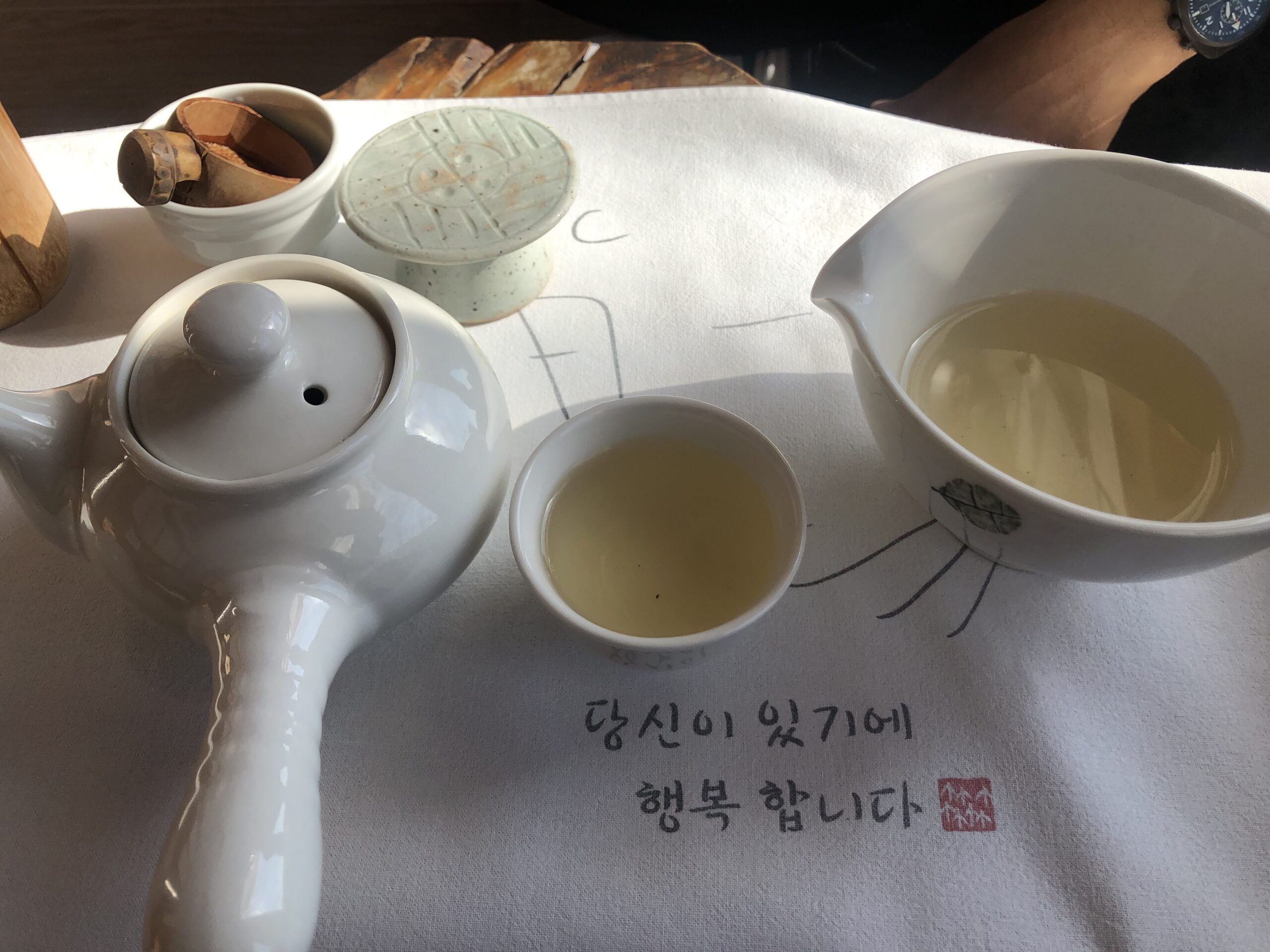
Traditional Korean tea houses scattered throughout Insadong offer respite from shopping and opportunities to experience Korean tea ceremony culture in authentic settings. These establishments emphasize the meditative, contemplative aspects of tea preparation and consumption—using traditional brewing methods, serving tea in ceramic cups selected to enhance flavor and aesthetic experience, and creating peaceful environments conducive to conversation and reflection.
Unlike Western coffee shops prioritizing quick service and table turnover, traditional tea houses expect guests to linger, savoring tea slowly while enjoying accompanying traditional sweets. This cultural practice values quality over speed, relationship over transaction—philosophical approaches deeply rooted in Korean Neo-Confucian traditions and Buddhist influences.
Ikseondong: Hidden Gem Neighborhood
Just a 10-minute walk from Insadong, Ikseondong offers a more intimate, less touristed experience of hanok-lined alleys transformed into trendy cafes, restaurants, and boutiques while maintaining architectural authenticity. This small neighborhood of preserved traditional houses has recently emerged as Seoul’s hippest cultural district, blending historical architecture with contemporary creative businesses.
Neighborhood Character
Unlike Insadong’s commercial bustle, Ikseondong maintains residential neighborhood scale and atmosphere despite growing popularity. Narrow alleys barely wide enough for small cars wind between traditional hanok, most dating from the 1920s-1940s when this area housed middle-class merchants and artisans. These modest hanok differ from Bukchon’s grander aristocratic residences, featuring simpler designs but maintaining characteristic courtyards, tile roofs, and wooden construction.
Recent preservation efforts combined with entrepreneurial energy have transformed dozens of hanok into cafes, restaurants, craft beer bars, and boutiques. However, many buildings retain residential functions, requiring visitors to respect the living neighborhood’s mixed-use character. The result creates authentic urban village atmosphere increasingly rare in modern Seoul—where history, creativity, and daily life coexist naturally rather than being separated into designated zones.
Cafe Culture
Ikseondong’s cafes represent some of Seoul’s most Instagram-worthy and architecturally interesting establishments. Owners have carefully adapted hanok spaces for cafe use while preserving traditional architectural features—exposed wooden beams, traditional lattice windows, courtyard seating, and ondol-heated floors create unique ambiances impossible to replicate in modern buildings.
Each cafe develops distinctive concepts and aesthetics. Some emphasize minimalist design letting architecture speak for itself, others incorporate vintage furniture and decorative objects creating eclectic environments, while still others focus on specific themes like traditional Korean desserts paired with modern coffee or botanical aesthetics with plants throughout interior spaces.
Quality varies—some prioritize atmosphere over coffee quality while others maintain serious specialty coffee programs with single-origin beans and skilled baristas. Reading online reviews or seeking local recommendations helps identify establishments matching personal preferences. Expect higher prices than average Seoul cafes, reflecting premium locations, architectural maintenance costs, and hipster market positioning.
Dining Options
Restaurants throughout Ikseondong range from traditional Korean cuisine in hanok settings to fusion concepts blending Korean ingredients with international techniques. Several establishments specialize in modernized Korean temple food—vegetarian cuisine derived from Buddhist monastic traditions, featuring seasonal vegetables, grains, and fermented dishes prepared with contemporary presentations while honoring traditional recipes and philosophies.
Craft beer bars offer Korean craft brews—an exploding industry combining traditional Korean ingredients like rice, ginger, and citrus with Western brewing techniques. These venues often occupy particularly beautiful hanok with courtyard seating, creating pleasant environments for early evening drinks before exploring Seoul’s nightlife elsewhere.
Boutique Shopping
Small independent boutiques throughout Ikseondong sell carefully curated selections of Korean designer clothing, handmade accessories, artisan home goods, and lifestyle products. These shops typically feature limited quantities of unique items rather than mass-produced goods, appealing to shoppers seeking distinctive pieces unavailable in department stores or mainstream retail.
Prices reflect small-scale production and designer/artist provenance, positioning products as special purchases rather than casual acquisitions. Many shop owners/designers personally staff their establishments, enabling conversations about design inspiration, materials, and production methods—adding personal dimension to shopping experiences increasingly absent in contemporary retail.
Practical Information
Getting to Insadong:
- Subway Line 3, Anguk Station, Exit 6 provides most direct access
- Alternative: Jongno 3-ga Station (Lines 1, 3, 5), Exit 5
Getting to Ikseondong:
- Subway Line 5, Jongno 3-ga Station, Exit 4
- 10-minute walk from Insadong’s northern end
Best Times to Visit:
- Weekday afternoons offer ideal crowd levels for both neighborhoods
- Insadong becomes very crowded weekends, especially Sunday pedestrian hours
- Ikseondong stays relatively quiet weekday mornings but fills considerably weekend afternoons
- Both neighborhoods beautifully lit at night with different atmosphere than daytime visits
Time Recommendations:
- Insadong: 2-3 hours for thorough exploration including tea house break
- Ikseondong: 2-3 hours for cafe hopping and leisurely wandering
- Combined visit: Half day (5-6 hours) with lunch in one neighborhood, coffee/tea in the other
Cultural Etiquette
Both neighborhoods maintain elements of residential character requiring visitor consideration. Keep conversation volumes moderate, avoid blocking narrow alleyways while taking photographs, and respect private property boundaries—not all hanok are businesses, and residents deserve privacy. Dispose of trash properly using provided bins rather than littering.
In traditional tea houses, remove shoes before entering floor-seating areas, sit properly (avoiding pointing feet toward others), and maintain quiet, contemplative atmosphere. Photography is generally welcome but ask permission before photographing staff, other customers, or obviously private spaces.
Connecting the Neighborhoods
Walking from Insadong to Ikseondong takes approximately 10-15 minutes through interesting transitional neighborhoods showcasing Seoul’s layered urban development—modern buildings alongside preserved traditional structures, commercial areas adjacent to residential blocks, contemporary Seoul culture emerging from historical foundations.
This short walk itself provides insights into Seoul’s successful integration of preservation and progress, where historical neighborhoods aren’t frozen as museum pieces but continue evolving while maintaining connections to cultural heritage.
Both neighborhoods exemplify Seoul’s broader success in preserving traditional culture not merely through conservation but through living integration into contemporary life—where traditional aesthetics, crafts, and philosophies remain relevant, desirable, and economically viable in 21st-century contexts, ensuring their transmission to future generations through actual use rather than just institutional protection.