


Understanding Bukchon’s Heritage
Bukchon Hanok Village, literally meaning “Northern Village,” nestles between Gyeongbokgung Palace and Changdeokgung Palace on Seoul’s historic northern hills. Unlike reconstructed cultural sites, Bukchon comprises an actual residential neighborhood where people live in traditional hanok houses, some dating back over 600 years to the Joseon Dynasty era.
The neighborhood’s distinctive character stems from its historical status as an exclusive residential area for yangban (nobility) and royal family members during the Joseon period. This prestigious lineage explains the high concentration of well-preserved, high-quality hanok architecture featuring elegant proportions and sophisticated construction techniques absent in commoner housing of that era.
Hanok Architecture Explained
Traditional Design Principles
Hanok architecture embodies principles of harmony with nature and seasonal adaptation. These single-story wooden structures feature distinctive curved tile roofs (giwa), designed to shed rain efficiently while creating graceful lines that complement surrounding landscapes. The deliberate upward curve at roof corners represents aesthetic refinement and, according to traditional belief, deflects evil spirits.
Buildings follow ondol (underfloor heating) systems, where heat from kitchen fires travels through stone channels beneath floors before exiting through chimneys. This ingenious heating method kept homes warm during harsh Korean winters using minimal fuel. Summer cooling employs opposite strategies—elevated wooden floors, wide eaves creating shade, and strategic window placement enabling cross-ventilation.
Courtyard Living
Every hanok centers around interior courtyards (madang), serving as transitional spaces between buildings and providing natural light, ventilation, and outdoor living areas for family activities. Courtyard sizes and layouts reflected family social status—larger, more elaborate courtyards indicated higher-ranking families. These spaces also enabled privacy while maintaining family connectivity, with separate buildings housing different generations or functional areas.
Exploring the Village
Famous Photo Spots
Bukchon features eight designated viewpoints showcasing different aspects of traditional Korean residential architecture and urban landscape integration. The most photographed location, Bukchon Viewpoint #8, offers sweeping vistas down narrow hanok-lined alleys with N Seoul Tower visible on Namsan Mountain in the background—a stunning juxtaposition of historic and modern Seoul.
Bukchon Viewpoint #2 near Bukchon Traditional Culture Center presents classic hanok rooflines cascading down the hillside. Early morning visits (before 9 AM) or late afternoon provide optimal lighting conditions and fewer tourists obstructing camera angles. Respectful photography requires avoiding shots directly into residential windows or courtyards, as people actively live in many visible structures.
Cultural Centers and Museums
Multiple small museums throughout Bukchon showcase traditional Korean arts and crafts. The Bukchon Traditional Culture Center offers free admission and provides historical context about the neighborhood’s development and hanok architecture fundamentals. Visitors can examine architectural models, view historical photographs, and obtain detailed maps marking significant buildings and viewpoints.
Specialized museums include the Korean Embroidery Museum, displaying exquisite historical needlework; the Gahoe Museum, featuring traditional Korean folk paintings and amulets; and several workshops where artisans demonstrate traditional crafts like mother-of-pearl inlay, ceramic painting, and traditional knot tying (maedeup). Many offer hands-on classes where visitors can create small crafts under expert guidance.
Living Neighborhood Etiquette
Respecting Residents
Bukchon’s popularity creates ongoing tensions between tourism benefits and resident quality of life. Visitors must remember this remains a functioning residential area where families live, children play, and elderly residents go about daily routines. Maintaining quiet voices, avoiding loud groups, and refraining from peering into windows or gates protects residents’ privacy and comfort.
The neighborhood association has posted numerous signs requesting visitor consideration, including restrictions on consuming food while walking, prohibitions on littering, and reminders about noise levels, particularly early mornings and late evenings. Following these guidelines ensures Bukchon remains welcoming to tourists while preserving livability for residents.
Restricted Hours
Certain narrow alleys implement temporary closures during peak tourism hours (typically 10 AM – 5 PM weekends) to provide residents relief from constant foot traffic. Signs clearly mark these temporary restrictions, and visitors should respect barriers without attempting to circumvent them. Alternative routes remain accessible for viewing hanok architecture without disturbing residential areas.
Traditional Experiences
Hanok Stays
Numerous hanok guesthouses throughout Bukchon offer overnight stays, providing immersive experiences in traditional Korean housing. These accommodations range from basic rooms with shared facilities to upscale suites with private amenities while maintaining architectural authenticity. Sleeping on yo (traditional sleeping mats) laid over heated ondol floors represents the authentic historical experience, though modern hanok stays provide comfortable bedding adapted to contemporary expectations.
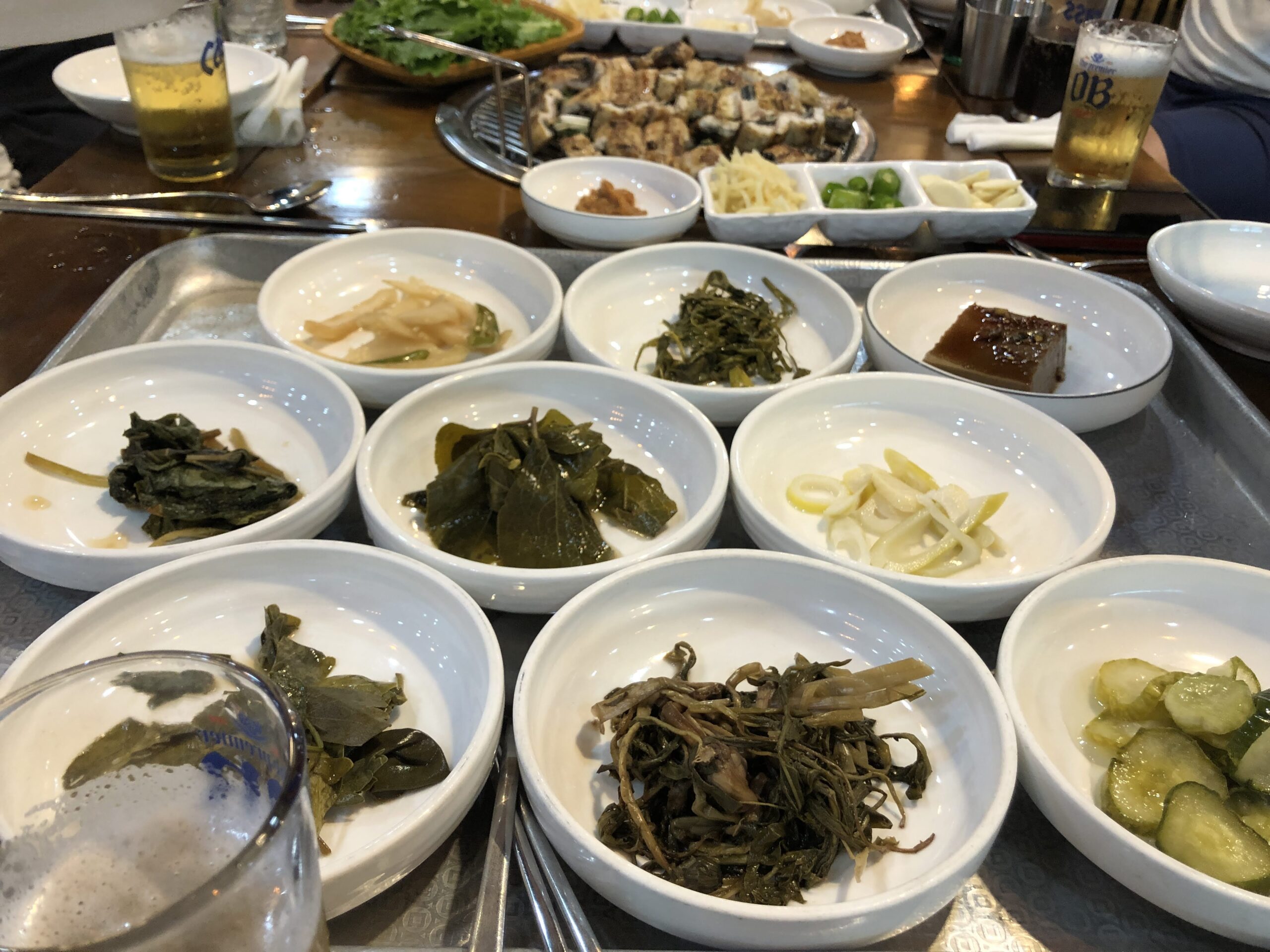
Staying overnight enables experiencing Bukchon’s atmosphere after day-tourists depart—quiet evening strolls through lamplit alleys and peaceful morning views before crowds arrive create memorable impressions impossible during daytime visits. Many guesthouses include traditional Korean breakfasts featuring various banchan (side dishes), rice, soup, and seasonal specialties.
Traditional Tea Houses
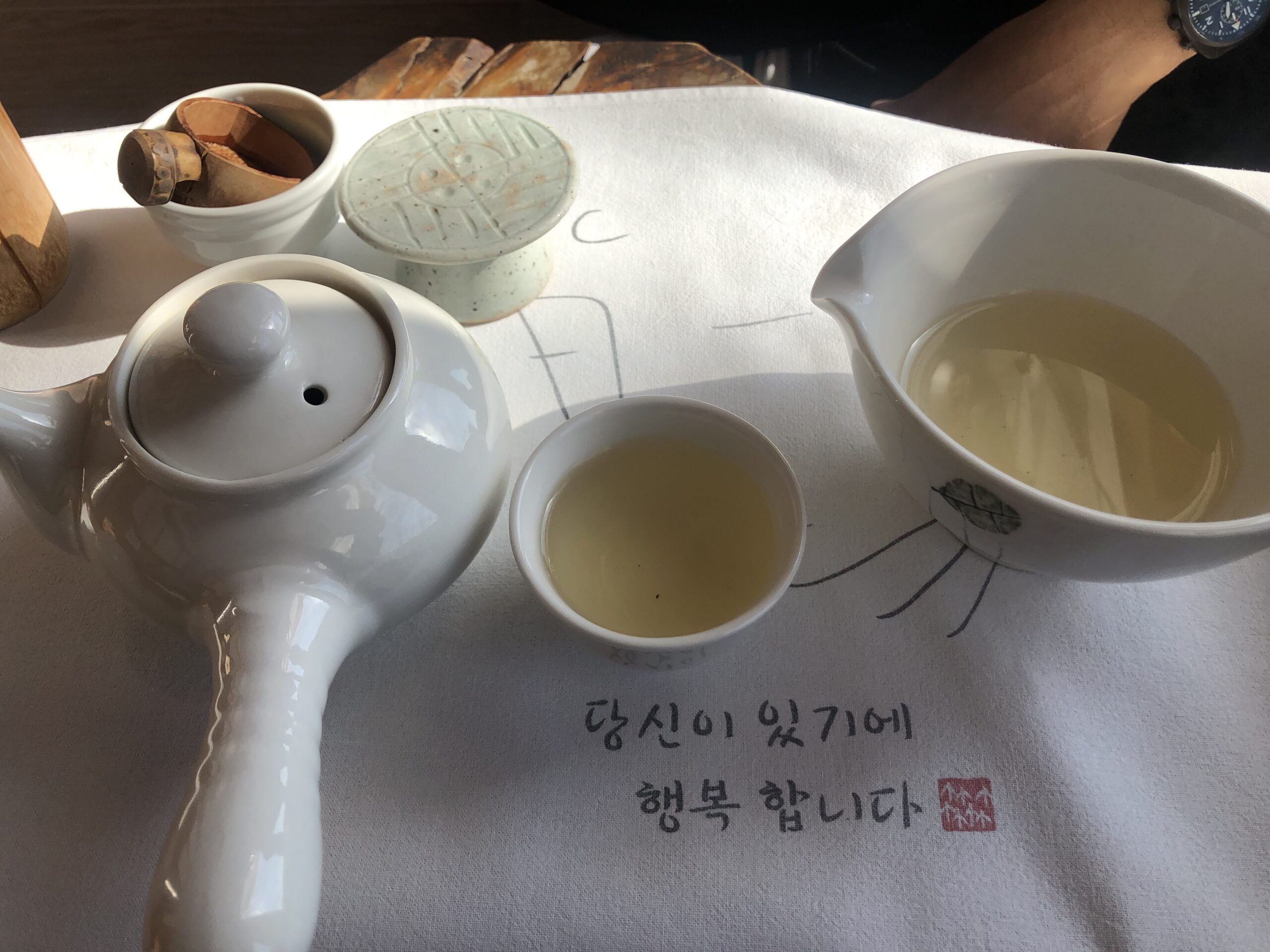
Traditional tea houses scattered throughout Bukchon serve Korean traditional teas in atmospheric hanok settings. Unlike coffee shops, these establishments emphasize slow appreciation of high-quality teas including omija-cha (five-flavor berry tea), yujacha (citron tea), and various herbal infusions. Minimal interior furnishings, low tables with floor seating, and views into tranquil courtyards create contemplative environments perfect for rest during village exploration.
Some tea houses offer traditional Korean sweets (hangwa) as accompaniments—delicate confections made from rice flour, honey, and nuts, shaped into elegant forms and naturally flavored with ingredients like sesame, pine nuts, and dried fruits.
Practical Information
Getting There: Subway Line 3, Anguk Station, Exit 2 provides the most convenient access. Emerging from the subway, head north following signs toward Bukchon Hanok Village—approximately 5-10 minutes walking uphill. The Bukchon Information Center near Exit 2 offers free maps, brochures in multiple languages, and recommendations based on available time and interests.
Best Time to Visit: Weekday mornings offer the most peaceful exploration with minimal crowds and better photography conditions. Spring brings cherry blossoms adding delicate beauty to traditional architecture, while autumn features stunning foliage with maple and ginkgo trees coloring courtyards and alleys. Winter snowfall creates magical scenes, though icy conditions on sloping streets require careful walking.
Duration: Leisurely exploration requires 2-3 hours, allowing time for photographs, museum visits, and tea house breaks. The neighborhood’s hilly terrain and narrow, sometimes steep alleyways mean comfortable walking shoes are essential. Summer visits require sun protection and water, as tree coverage varies and exposed areas can be quite sunny.
Connecting to Other Attractions
Bukchon’s central location enables easy connections to nearby cultural sites. Changdeokgung Palace and its Secret Garden lie just east—reachable by 15-minute walk through scenic residential streets. Insadong’s galleries, craft shops, and traditional culture street runs south of Bukchon, providing natural continuation of cultural exploration. Samcheong-dong neighborhood, adjacent to Bukchon’s western edge, features trendy cafes, galleries, and boutiques in a similar hanok-lined setting with slightly more commercial atmosphere.
Walking from Gyeongbokgung Palace to Bukchon takes approximately 20 minutes, creating a logical cultural itinerary combining royal palace grandeur with traditional residential architecture.
Bukchon Hanok Village offers rare opportunities to witness living traditional architecture within modern Seoul, where centuries-old building techniques and living patterns persist alongside contemporary Korean life, creating unique cultural juxtapositions impossible to experience elsewhere.